Private Anthony Lavelle (1165)

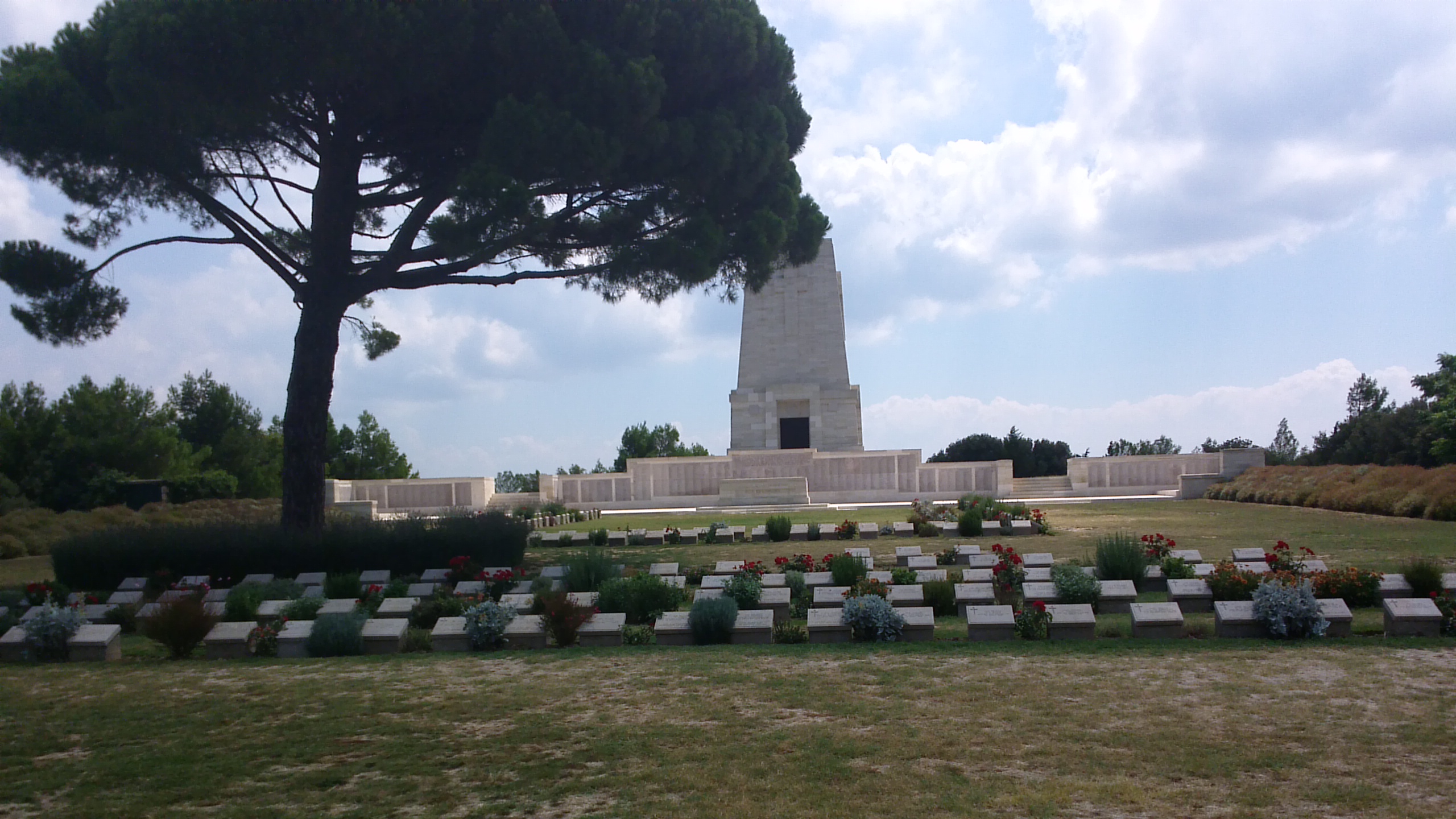
The first Dowerin casualty of the war was Anthony Lavelle, a 23 year old farmer who had enlisted in the 12th Battalion in September 1914. The 12th Battalion was one of those that were first ashore on the Gallipoli Peninsula at 4:30am on 25 April 1915. Anthony Lavelle was giving covering fire to a group of men who were digging in when he was shot in the left side of the chest. He died within 2 minutes and was buried at the back of the trenches. His grave was lost and he is now commemorated on the Lone Pine Memorial at Gallipoli.
Private Arthur Stanley Mizen (1982)

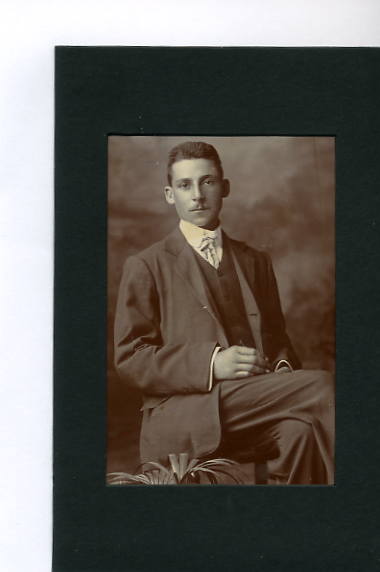
Stan Mizen
Arthur Stanley Mizen, known to his family as Stan, was a farmer from Mizen Road south of Wyalkatchem. He enlisted in the 11th Battalion in February 1915, had embarked on S.S. Honorata and was heading for Suez and eventually Gallipoli. In May he reported sick with sunstroke, the soldiers being kept on the open deck of the ship. Although he was treated, Mizen died on 13th May and was buried at sea on 14th May 1915. After Stan’s death his family destroyed all the photos of him in uniform. Stan Mizen’s name is inscribed on the Chatby Memorial to those who died at sea in Alexandria, Egypt.

Trooper William John Snudden (147)
William Snudden was born in Melbourne. His next of kin is listed as Mrs. E.J. Snudden of Harvey, Western Australia and his occupation is listed as timber cutter. There is no clear indication of a connection to Dowerin at this stage, and his name is recorded as Sneddon, but he is the only plausible candidate. He had spent 4 years in the 18th Australian Light Horse in Victoria until he resigned. William Snudden enlisted in the 10th Light Horse Regiment at Guildford in December 1914 at 24 years of age. His service number, 147, is only 2 numbers different from that of Arthur Hatwell who also enlisted in the 10th Light Horse.
Trooper Snudden embarked for Gallipoli in May 1915. He was killed in action at the Nek on 7th August 1915. The Australian War Memorial tells us that the Nek was a vitally important position on the northern end of the ANZAC affront line, a narrow bridge of land between Russell’s Top and Baby 700 across the top of Monash Valley. The Turkish trenches on the slopes of Baby 700 allowed them to dominate the Australian positions below. The Nek is also the battle that is represented in the film Gallipoli starring Mel Gibson, a particularly poorly managed action. A board of enquiry was held at Russell’s Top, Gallipoli on 9th August 1915 to enquire into the officers, N.C.O.’s and men of the 10th Light Horse Regiment reported missing since the assault on the Nek on the morning of 7th August. The report of the Board of Enquiry lists 3 officers, 5 N.C.O’s and 29 men as missing after this action. In the report Lieutenant Colonel N.M. Brazier stated that he ordered the 10th Regiment under his command to assault in 2 lines the Turkish trenches on the Nek, in an easterly direction from the Australian trenches on Russell’s Top, although at the time there was a murderous hail of shrapnel, machine gun and rifle fire from the enemy and he felt quite convinced few if any would return. Lieutenant Colonel Brazier had seen through a periscope a great number of dead outside the trenches, and had caused the recovery of all the bodies that he considered wise to risk further loss of life for. He further stated that in his opinion all the missing were dead, and from reports of the wounded who returned to the lines and from personal observation with the periscope immediately after the assault, that no single individual of the 10th regiment reached the Turkish trenches. Subsequent to the assault the enemy were seen deliberately firing on the wounded. The board concluded that all the missing were dead.
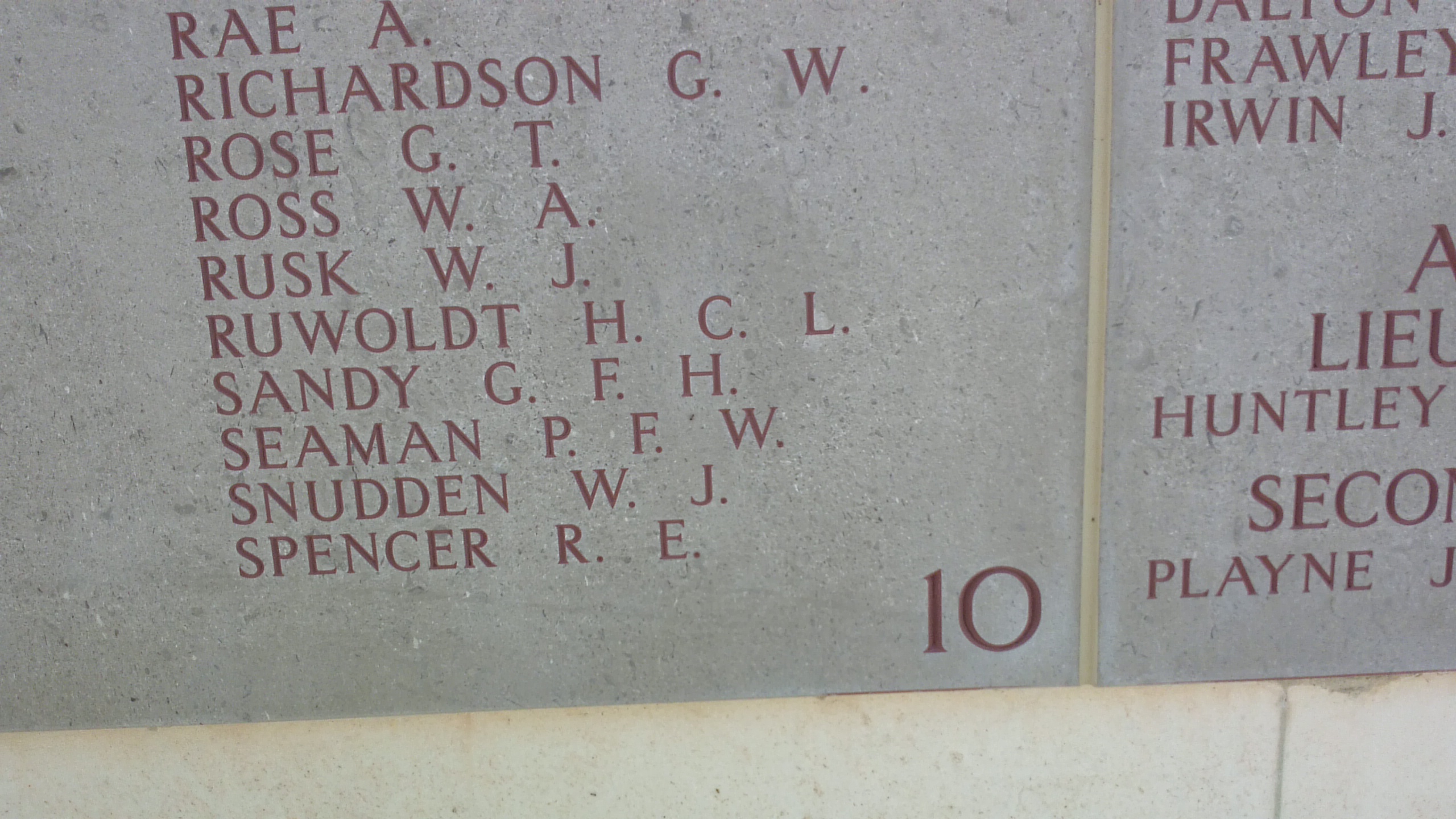
William Snudden has no known grave and is commemorated on the Lone Pine Memorial at Gallipoli.
 Our Dowerin Boys